System architecture
A scalable Figma library structure joined 350 tokens, 45 components, 25 patterns, and 12 templates into one usable foundation.
 1881 Studio is the independent design practice of Ernesto Lago.← Back to selected work
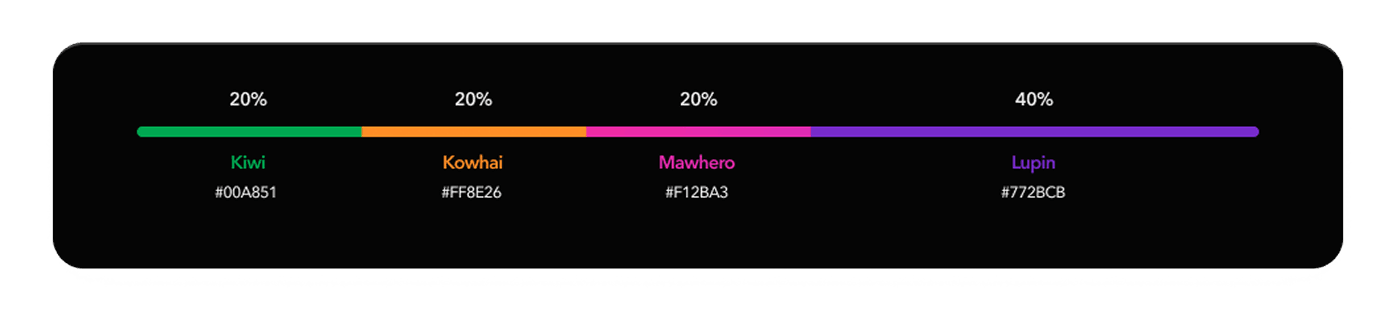
NUI is Spark’s design system. It brought tokens, components, patterns, and product UI into a shared language across web, app, and portal experiences.
The challenge 01
Spark needed a design system that could create consistency without slowing down a broad and evolving product landscape.
As lead designer, I defined a durable system foundation, structured the library in Figma, and brought reusable patterns closer to the teams making product decisions every day.
A shared foundation 02
The system had to make range feel intentional.





Design decisions 03
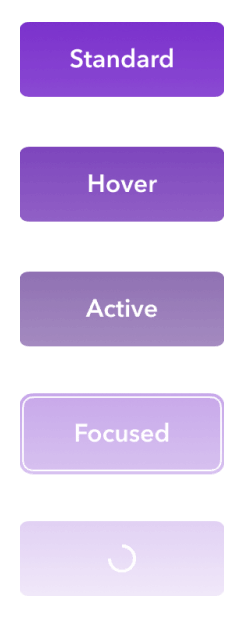
A scalable Figma library structure joined 350 tokens, 45 components, 25 patterns, and 12 templates into one usable foundation.
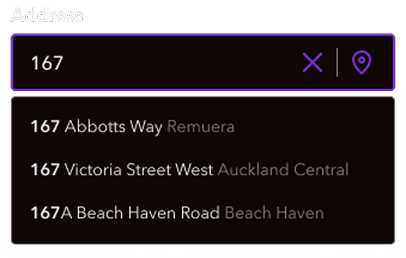
Contribution workflows, documentation, releases, and five-plus workshops gave product teams a practical path to adoption.
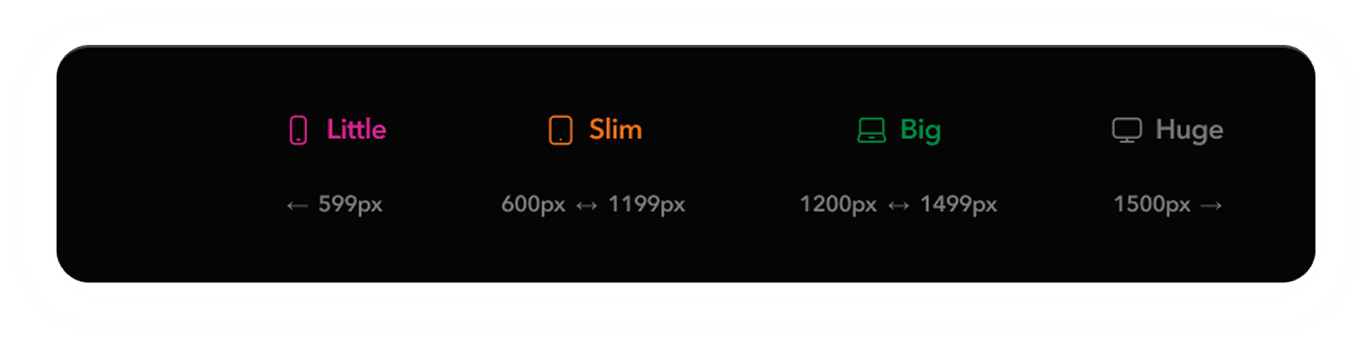
Responsive modes for mobile, tablet, and desktop let the same system support app, web, and portal experiences.
Applied in product 04
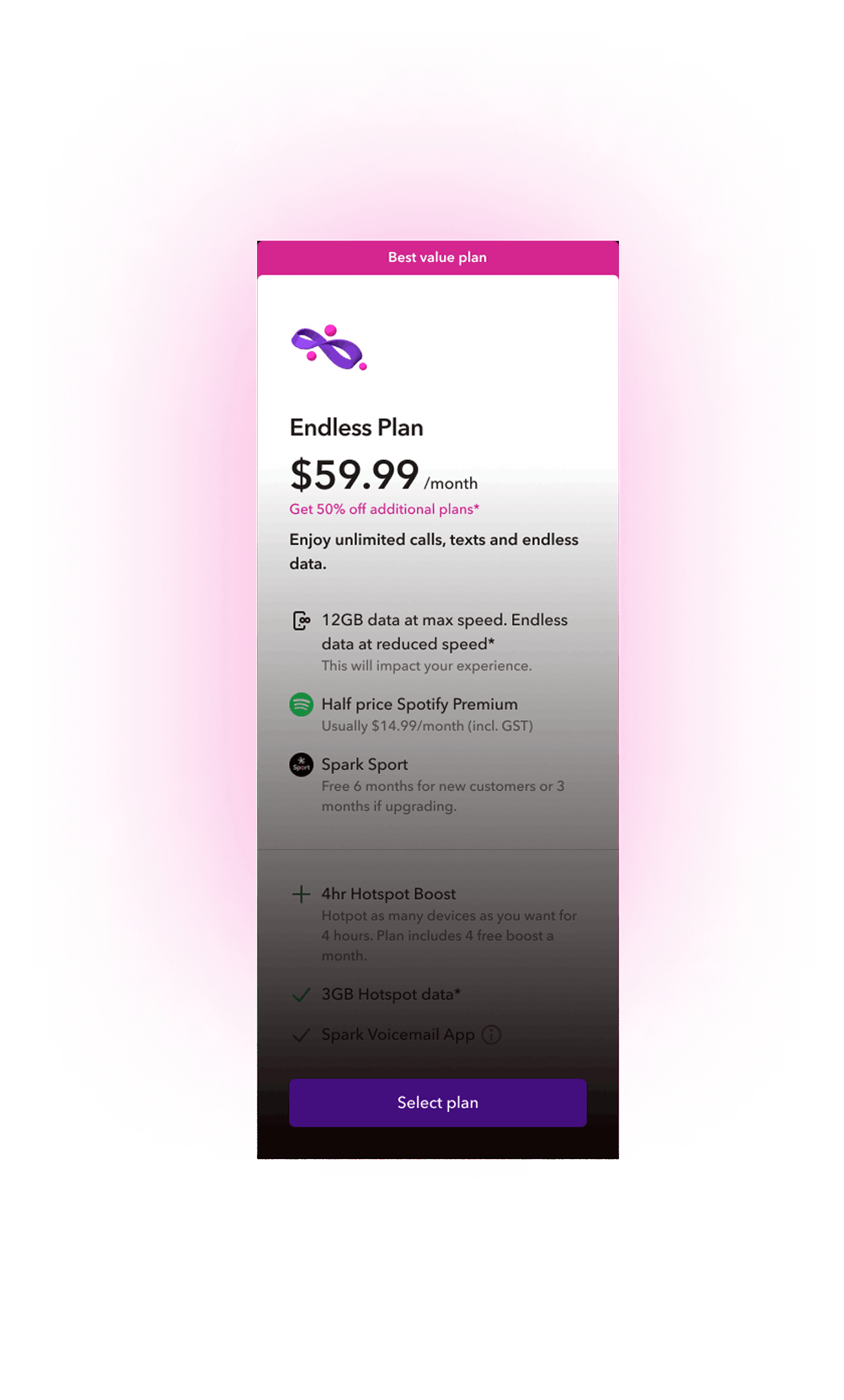
The system was applied to actual customer journeys, helping teams work from the same source of truth while retaining enough flexibility for a telco product portfolio.
The outcome 05
Spark’s NUI gave design and engineering a clearer basis for collaboration across web, app, and portal work. One-off requests were estimated to fall from eight to two per week, while accessibility defects were approximately 30% lower in comparable flows.
How to read these figures. Library counts describe design-system inventory. Adoption, speed, request volume, and accessibility changes are directional project estimates, not controlled measurements; other factors may also have contributed.
Discuss similar work ↗Let’s connect

For a permanent role, contract, or focused systems engagement, I’d be glad to hear what you’re building.
Connect on LinkedIn ↗